

Mahi Crabbe: Hawaii heart, Vegas hustle, and a voice that still sounds like home
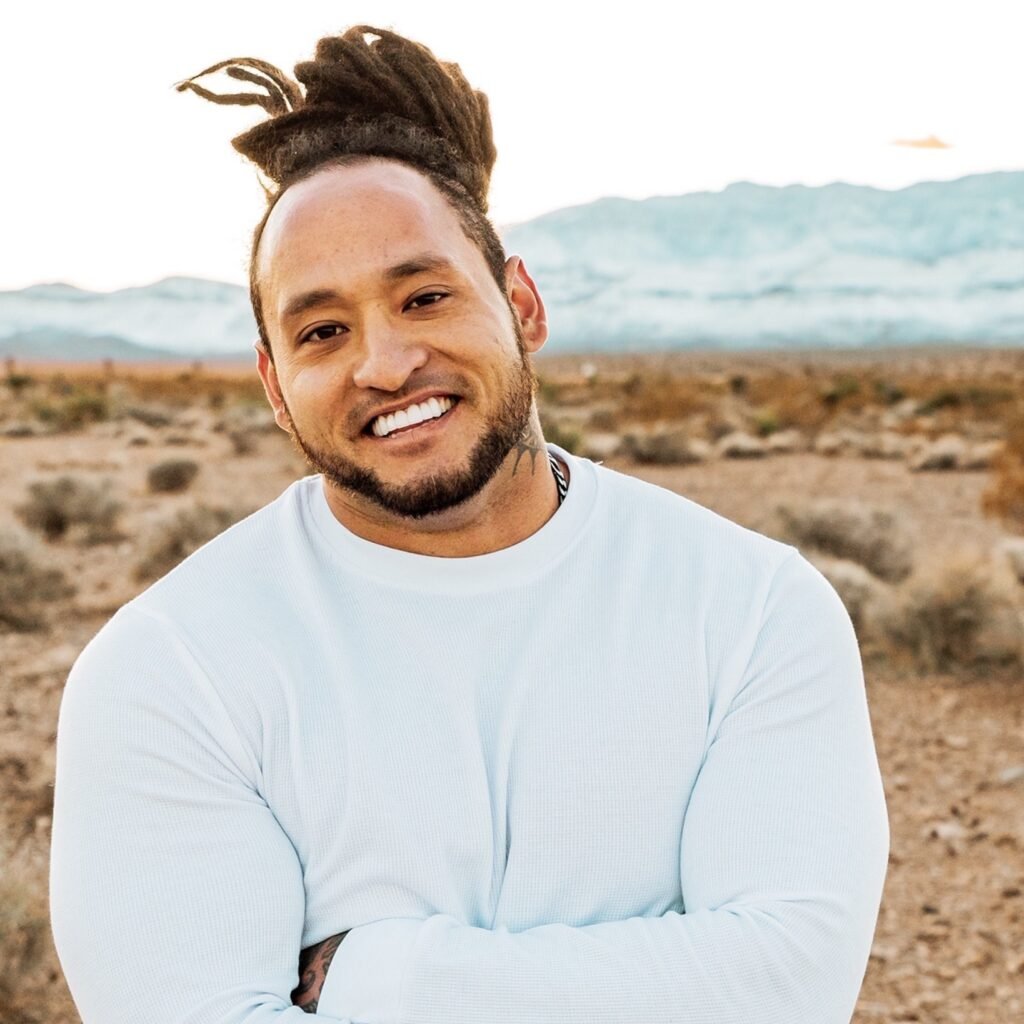
In Las Vegas, plenty of people come chasing a dream. Some come for the stage, some come for the paycheck, and some come because life pushed them to build something bigger than what they had before. But every so often, you run into somebody who carries all of that at once — the entertainer, the hustler, the family man, the businessman, the island soul trying to make mainland life fit without ever losing where he came from.
That’s what makes Mahi Crabbe such a real Ninth Island story.
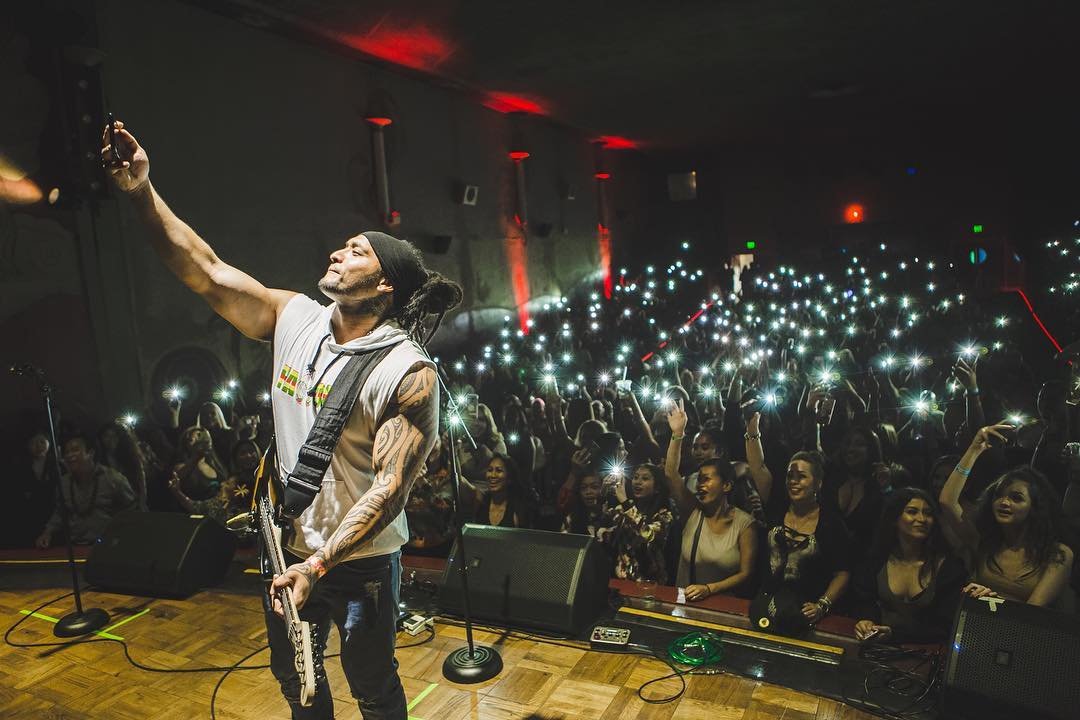
To a lot of people from Hawaiʻi, Mahi is first known as a singer — the kind of artist who could take local-boy charm, smooth vocals, and island-style songwriting and make it feel effortless. But if you only know him as a musician, you’re missing half the picture. These days, Mahi’s public story stretches well beyond music. He’s also built a visible business identity around trucking and car hauling out of Las Vegas, while still keeping music alive through releases, performances, and a strong social media presence. That mix of island artist and working entrepreneur is exactly the kind of story that hits home for so many Hawaiʻi people living in Vegas.


Mahi’s public trail shows that his roots in music go back years. His YouTube channel still carries older material like “Light Switch”, and other public profiles connected to his career reference original songs including “Tell Me You Do,” “Dear Babe,” and “Oscar.” A booking profile describes him as a Hawaii-born reggae-pop singer-songwriter later based out of Las Vegas, while his own channel and label references point to a longer catalog under Mahi Live LLC, including releases tied to The Waiting Game. Taken together, it paints the picture of an artist who didn’t just flirt with music for a season — he kept building on it over time.
For local fans, another part of Mahi’s story is the reality-TV chapter. Public sources do confirm that Mahikumakani Crabbe appeared in the Season 11 American Idol audition/Hollywood field, and a KHON-linked Facebook post congratulated him for passing the San Diego audition and heading to Hollywood. Some secondary profiles describe him more broadly as a “finalist,” but the clearest public evidence supports saying he gained wider attention through the American Idol Season 11 run rather than overstating how far he advanced. Even that matters, though. For a singer from Hawaiʻi, getting onto that kind of national platform helped put his name outside the islands and gave people another reason to pay attention.


What makes Mahi interesting now is that he never stayed trapped in one chapter of his life. A lot of artists build their identity around one big moment and spend the next decade retelling it. Mahi’s public image feels different. His current Instagram presence leans hard into entrepreneurship, blunt motivation, and trucking-game content, while still promoting music — including the recent push for “BOTTLE ME UP” on YouTube and Instagram. That tells you something important: he didn’t walk away from music, but he also didn’t wait around for music to pay every bill. He adapted. He built. He evolved.
And honestly, that’s one of the most relatable parts of his whole story.
Because the Ninth Island experience has never really been about doing just one thing. It’s about surviving, adjusting, and carrying your culture with you while you do whatever needs to be done. You might sing on the weekend and work all week. You might be known for one talent, but your real legacy comes from the way you provide for your family. You might still love the spotlight, but you also know how to handle business when the lights go off. That’s why Mahi’s path hits different: he reflects the real-life grind so many Hawaiʻi families understand. This is an inference from the public record around his career, but it is a grounded one. His music pages present the artist; his trucking pages present the operator; his social pages present a man trying to build something bigger than one lane.


On the business side, the public records are hard to ignore. Federal Motor Carrier Safety Administration data lists MAHI LIVE LLC doing business as HI9 TRUCKING in Las Vegas. Related FMCSA pages show an interstate carrier operation, while other transportation listings tied to the same DOT number show a company footprint that includes multiple vehicles and drivers. Mahi’s own public Instagram bio has also invited people to DM him to start a car hauling business, and an external HI9 page goes even bigger, presenting him as someone teaching others how to get into trucking based on the system he says he built. Whether someone follows him for the music or for the trucking game, the message is the same: he wants to be seen as a builder.
That hustle doesn’t erase the music. If anything, it gives the music more weight.
There’s something deeper about an artist who sings from lived experience instead of fantasy. When you hear somebody who has had to reinvent himself, move cities, raise a family, navigate injury, build companies, and keep showing up anyway, the songs land different. A 2020 2 Hawaii Dads episode described Mahi as a former Hawaiʻi resident then living in Las Vegas, talking about being an entertainer in Sin City during the COVID fallout, being busier than ever despite fewer gigs, and dealing with an injury that changed his outlook on music and life. That kind of detail adds texture to the public image. It reminds people that the performance is only one side of the man.


In that way, Mahi feels very Las Vegas and very Hawaiʻi at the same time.
Vegas is the place where people rebrand, rebuild, and learn to live with pressure. Hawaiʻi is the place that teaches you who you are before the world starts testing it. Put those two together and you get the kind of person who can move through different worlds without sounding fake in any of them. Mahi can be the singer with island-pop and reggae flavor, the social media personality, the entrepreneur, and the trucking guy — and somehow it still reads like one story instead of four different ones. That’s probably because the thread connecting all of it is obvious: ambition backed by identity.
For a site like da9thIsland.com, that matters.
People here don’t just want polished celebrity bios. They want stories that feel familiar. Stories about people who left home but still carry home with them. Stories about entertainers who also know what it means to work. Stories about island folks who learned how to operate in Las Vegas without dropping the values that made them who they are. Mahi Crabbe fits that frame well: not because he’s perfect, not because every chapter is glamorous, but because his public journey shows reinvention, resilience, and a refusal to be boxed into one identity.


So when people ask who Mahi Crabbe is, the cleanest answer is this: he’s a Hawaiʻi-born artist whose name grew through music, national TV exposure, and years of independent grind — and who, in Las Vegas, turned that same drive into a business-minded second act without letting go of the first. He is part singer, part entrepreneur, part island storyteller by example. And for a lot of us watching from the Ninth Island, that may be the most honest kind of success there is.
Where to Follow Mahi Crabbe
- Instagram: @mahilive
- Facebook: Mahi / @MahiLive
- YouTube: Mahi Crabbe (@mahicrabbe20)
- X / Twitter: @MahiLive —